
How Much Does It Cost to Live on a Boat?
Living on a boat is a dream for many people: swimming off the stern before breakfast, watching the sunset from the cockpit, and taking your home with you wherever you want to go. But the liveaboard life is not free, and the costs can surprise people who only budget for the boat itself.
This guide breaks down the main expenses of living on a boat, from marina fees and insurance to maintenance and food, so you can build a realistic budget. Costs vary enormously with location, boat size and lifestyle, so treat the figures below as rough ranges and check current local prices.

1. Buying the Boat
The purchase price is the biggest variable of all. A modest older sailboat that is perfectly livable can be found for well under $50,000, while a new 50-foot catamaran with every option can cost well over a million dollars. Between those extremes there are boats for almost every budget.
Choose a boat that you can comfortably afford and that is big enough to feel like home. A boat that is too small quickly feels cramped when you live aboard full time. Leave money in reserve, because older boats almost always need work after purchase. For ideas, see our guides to the best sailboats to live on and the best sailboats under 100k, or, at the top end, the best catamarans over 50 feet.
2. Marina and Mooring Fees
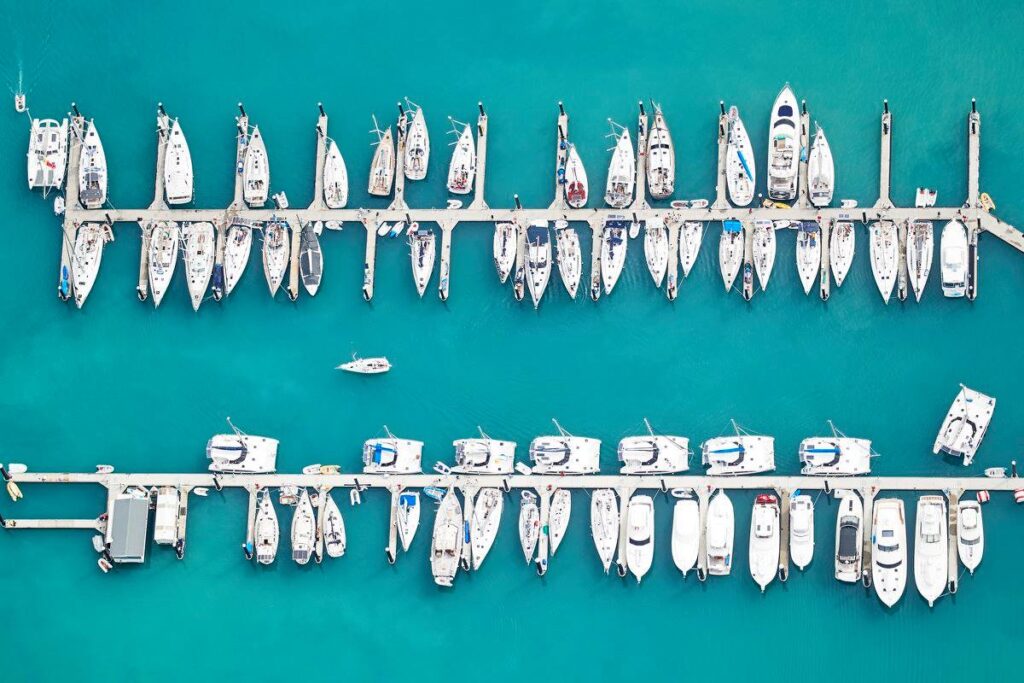
If you plan to live in a marina, slip fees will likely be your largest monthly cost. In the US, monthly rates are often quoted per foot of boat length and can range from around $10 to well over $30 per foot per month, depending on the region, the season and the facilities. Popular marinas in places like South Florida or California sit at the top of that range, especially if they have a waiting list. If you plan to move around and pay transient rates, see our guide to average marina rates per night.
Many marinas also charge a monthly liveaboard fee on top of the slip fee, because liveaboards use more water, power and facilities. Some marinas do not accept liveaboards at all, so ask before you commit. Electricity is usually metered and billed separately.
Alternatives can be much cheaper:
- Mooring balls: usually cheaper than a slip, though you will need a dinghy to get ashore.
- Anchoring: free in many areas, but some places restrict how long you can stay.
- Cruising: moving between anchorages and only occasionally using marinas cuts costs significantly.
Read more about specific regions in our guides to living on a boat in Florida and cheap marinas for long-term docking in the Caribbean.
3. Insurance
You will almost certainly need boat insurance, and most marinas require proof of liability cover. Not every insurer will cover full-time liveaboards, so you may need to shop around or use a specialist marine broker. Premiums depend on the boat’s value, age and condition, where you keep it, your cruising area and your experience. Hull cover is often priced as a percentage of the boat’s insured value, so budget accordingly and get several quotes. Our boat insurance guide explains the basics.
4. Taxes and Registration
Living on the water does not mean escaping taxes. Depending on where you are, you may need to pay sales or use tax when you buy the boat, annual registration or documentation fees, and in some places personal property tax on the boat. Rules vary widely between states and countries, so check the requirements where you plan to keep the boat.
5. Utilities
Living aboard still means paying for power, water, internet and waste disposal:
- Electricity: metered shore power at marinas, or your own generation through solar panels, wind turbines and a generator.
- Water: often included or cheap at marinas; at anchor you need to fill tanks or run a watermaker.
- Internet and phone: mobile data plans or satellite internet are now the main options for many liveaboards.
- Waste: holding tank pump-outs and garbage disposal. Always follow local discharge regulations; many coastal areas prohibit discharging sewage altogether.
Investing in solar power and good batteries pays off quickly if you spend time away from the dock. See how to charge a sailboat battery for more on onboard power.
6. Food
You will eat wherever you live, so food is not an extra cost as such, but prices vary greatly by location. Groceries on small islands or in remote areas can cost much more than at home. Stocking up on staples in cheaper areas, cooking aboard rather than eating out, and fishing when you can all help keep this cost down.
7. Fuel
Fuel costs depend on how much you move. A boat that stays in a marina uses very little, while a powerboat that cruises regularly can burn a lot. Sailors who use the wind and run the engine mainly for docking and anchoring spend far less. Remember that generators and dinghy outboards need fuel too.
8. Maintenance and Repairs
Maintenance is the cost liveaboards most often underestimate. A common rule of thumb is to budget around 10 percent of the boat’s value per year for maintenance, though older boats can cost more. Larger and more complex boats cost more to maintain, just as a luxury car costs more to service than an economy car. Being able to do your own work saves a lot of money, so learn your boat’s systems and keep a maintenance plan. Our article on average sailboat maintenance costs goes into more detail.
Typical maintenance items include:
- Batteries: they eventually wear out. Costs range from a modest amount for a basic lead-acid battery to much more for a large lithium bank.
- Bottom paint and hull care: antifouling usually needs renewing every one to two years, plus regular haul-outs. Topsides need polishing, and eventually repainting. Prices are usually quoted per foot and vary by yard.
- Engine servicing: regular oil and filter changes, impellers, belts and zincs. Gasoline engines also need spark plugs; diesels need fuel filters changed regularly.
- Sails, rigging and canvas: sails, standing rigging and canvas all have a limited lifespan and are expensive to replace.
- Safety gear: life jackets, flares, fire extinguishers and liferafts need checking, servicing and replacing on schedule.
9. Interior Wear and Tear
A boat that is lived in full time wears faster than one used on weekends. Cushions, upholstery, flooring and appliances all need repair or replacement. Marine upholstery is not cheap, and having it professionally redone can cost more than you expect. Use the right cleaners on marine vinyl and fabrics so you do not damage them, and keep moisture under control to prevent mildew.
10. Safety Equipment
Every boat needs proper safety equipment, whether it is lived on or used occasionally. That includes life jackets for everyone aboard, a sound signal such as a horn, visual distress signals, fire extinguishers, navigation lights and a first aid kit, plus extras like an EPIRB or liferaft if you go offshore. See our list of must-have boat safety equipment.
Sample Monthly Budget
There is no single figure that fits everyone, but liveaboards generally fall into three broad groups:
| Lifestyle | What it looks like |
|---|---|
| Frugal | Mostly at anchor, small older boat, owner does most maintenance, cooks aboard. Can be well under the cost of renting on land. |
| Moderate | Marina part of the time, mid-sized boat, mix of DIY and paid work. Often comparable to a modest apartment budget. |
| Comfortable | Full-time marina in a popular area, larger boat, professional maintenance, frequent eating out. Can easily exceed a typical land-based budget. |
To build your own estimate, add up your expected slip or mooring fee, insurance, utilities, food, fuel and a monthly maintenance reserve, then add a cushion for unexpected repairs.
How Much Does It Cost to Live on a Boat? Summary
The cost of living on a boat depends mainly on where you keep it, how big and complex it is, and how much work you can do yourself. A frugal sailor at anchor can live cheaply, while a large boat in a premium marina can cost more than a house. Budget realistically for marina fees, insurance, utilities and especially maintenance, and the liveaboard dream is much more likely to last. For more on the lifestyle, read all you need to know about the liveaboard life.
